Medical Office Buildings: A Growing Commercial Asset Class
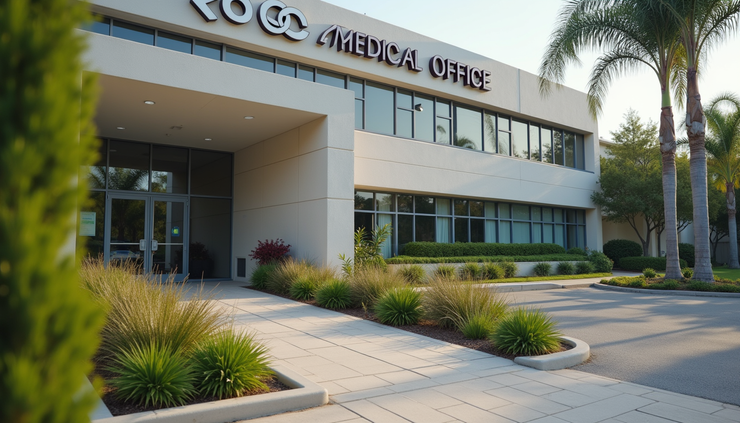
Medical office buildings (MOBs) are becoming a standout segment in commercial real estate. As healthcare needs grow and evolve, these properties offer unique opportunities for real estate investors and private money lenders. Understanding why MOBs are gaining traction and how to approach them strategically can help investors and homeowners alike make informed decisions in this expanding market.

Why Medical Office Buildings Are Gaining Attention
Medical office buildings serve as specialized spaces for healthcare providers, including doctors, dentists, outpatient clinics, and diagnostic centers. Unlike traditional office spaces, MOBs are designed to meet specific healthcare regulations and patient needs. This specialization creates a niche market with several advantages:
Stable tenant demand: Healthcare services remain essential regardless of economic cycles, providing consistent occupancy.
Long-term leases: Medical tenants often sign longer leases due to the high cost of relocating specialized equipment and the importance of location for patient access.
Growing healthcare sector: Aging populations and advances in medical technology increase demand for outpatient care, driving need for MOBs.
These factors make MOBs attractive for commercial real estate investors looking for steady income and lower vacancy risk.
Real Estate Strategies for Investing in Medical Office Buildings
Investing in medical office buildings requires a tailored approach compared to other commercial properties. Here are key strategies to consider:
Location Matters
Choosing the right location is critical. MOBs near hospitals, large medical centers, or densely populated areas tend to perform better. Proximity to public transportation and parking availability also influence tenant and patient satisfaction.
Understand Tenant Mix
A diverse tenant mix can reduce risk. Combining primary care providers, specialists, and outpatient services creates a balanced income stream. Investors should evaluate tenant creditworthiness and lease terms carefully.
Focus on Building Quality and Compliance
Medical facilities must comply with health regulations, including accessibility and safety standards. Buildings with modern infrastructure, such as advanced HVAC systems and sufficient electrical capacity, attract high-quality tenants.
Leverage Private Money Lenders
Private money lenders can provide flexible financing options for MOB acquisitions or renovations. Their willingness to fund specialized properties often helps investors move quickly in competitive markets.
Consider Value-Add Opportunities
Some MOBs may benefit from upgrades or repositioning. Renovating outdated spaces or adding amenities like telehealth rooms can increase property value and appeal to tenants.
The Role of Homeowners and Local Communities
Homeowners and local communities also play a role in the growth of medical office buildings. As neighborhoods evolve, demand for nearby healthcare services rises. Well-placed MOBs improve access to care, which can enhance property values and community health outcomes.
Local governments may support MOB development through zoning adjustments or incentives, recognizing the benefits of accessible medical services. Homeowners near MOBs often appreciate the convenience, though they may have concerns about traffic or noise, which developers must address through thoughtful planning.

Challenges and Considerations for Investors
While MOBs offer many advantages, investors should be aware of potential challenges:
Regulatory complexity: Healthcare regulations can affect building use and tenant operations. Staying informed is essential.
Tenant specialization: Medical tenants may require customized build-outs, increasing initial costs.
Market competition: As MOBs gain popularity, competition among investors and private money lenders intensifies.
Economic shifts: Changes in healthcare policy or reimbursement models can impact tenant stability.
Mitigating these risks involves thorough due diligence, working with experienced brokers, and maintaining strong relationships with tenants.
Case Study: Successful MOB Investment
A real estate investor purchased a 30,000-square-foot MOB near a regional hospital in a growing suburban area. The property had a mix of primary care physicians, a physical therapy clinic, and a diagnostic imaging center. By upgrading the HVAC system and improving parking access, the investor attracted a new cardiology practice, increasing occupancy to 95%.
The long-term leases and stable tenant base provided consistent cash flow, and the property's value increased by 15% within two years. The investor financed the acquisition partly through private money lenders, allowing a faster closing and competitive offer.
This example highlights how combining location, tenant mix, and strategic improvements can create a successful commercial real estate investment in the medical sector.
Final Thoughts on Medical Office Buildings as an Investment
Medical office buildings are becoming a key commercial asset class due to their resilience, tenant stability, and growth potential. Real estate investors who understand the unique aspects of MOBs can build a strong, diversified portfolio. Private money lenders play an important role by providing flexible financing that supports timely acquisitions and renovations.
For homeowners and communities, well-located MOBs improve access to healthcare and can enhance neighborhood value. As healthcare continues to shift toward outpatient services, the demand for quality medical office space will likely grow.
Those interested in entering this market should focus on location, tenant quality, and building standards while preparing for regulatory and operational challenges. With careful planning and strategic investment, medical office buildings offer a promising path in commercial real estate.
Disclaimer: This content is for informational purposes only and does not constitute financial or investment advice. Readers should consult with qualified professionals before making investment decisions.


Comments